
Digital marketing is not just about posting on social media or running ads. It’s about having a clear strategy that attracts the right audience, builds trust, and turns visitors into loyal customers.
Businesses that succeed online don’t market randomly — they follow a structured digital marketing plan.
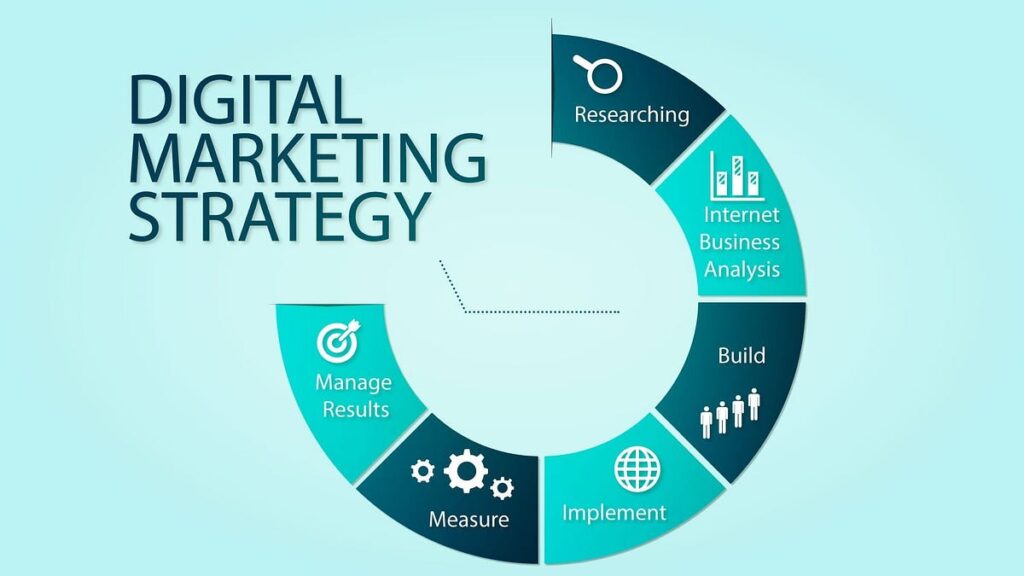
Here’s a step-by-step guide to doing it the right way.
Step 1: Define Your Business Goals
Before starting any marketing activity, you need to know what you want to achieve. Digital marketing works best when your goals are clear and measurable.
Common goals include:
- Increasing website traffic
- Generating leads or inquiries
- Boosting online sales
- Growing brand awareness
- Building a loyal customer base
Your marketing strategy should always connect directly to these goals.
Step 2: Understand Your Target Audience
You can’t market to everyone. The more clearly you understand your ideal customer, the better your results will be.
Ask questions like:
- Who are they? (age, location, profession)
- What problems do they have?
- What solutions are they searching for online?
- Which social media platforms do they use?
When you understand your audience, your content and ads become more effective.
Step 3: Build a Professional Website
Your website is the foundation of all digital marketing efforts. It is often the first impression customers have of your business.
A strong website should be:
✔ Mobile-friendly
✔ Fast-loading
✔ Easy to navigate
✔ Clear about your services
✔ Optimized for search engines
Without a good website, even the best marketing campaigns can fail.
Step 4: Use Search Engine Optimization (SEO)
SEO helps your website appear on Google when people search for services you offer. This brings free, long-term traffic.
Important SEO activities include:
- Using the right keywords
- Writing helpful blog content
- Optimizing page titles and meta descriptions
- Improving website speed
- Building quality backlinks
SEO takes time, but the results are long-lasting and cost-effective.
Step 5: Create Valuable Content
Content is what attracts and engages your audience. Instead of only promoting your services, focus on helping your customers.
Types of content you can create:
- Blog posts
- How-to guides
- Short videos
- Social media tips
- Customer success stories
Helpful content builds trust and positions your business as an expert in the industry.
Step 6: Leverage Social Media Marketing
Social media platforms allow you to connect directly with your audience. Consistent posting keeps your brand visible and builds relationships.
Best practices include:
- Posting regularly
- Using high-quality images and videos
- Writing engaging captions
- Responding to comments and messages
- Sharing customer feedback and reviews
Social media is not just for selling — it’s for building community.
Step 7: Invest in Paid Advertising
While organic methods like SEO take time, paid ads deliver faster results. Platforms like Google Ads and Facebook Ads allow you to target specific audiences.
Paid advertising helps you:
- Get instant website traffic
- Promote special offers
- Generate leads quickly
- Reach new potential customers
When managed properly, paid ads provide an excellent return on investment.
Step 8: Use Email Marketing to Stay Connected
Email marketing is one of the best ways to maintain relationships with your audience.
You can send emails about:
- Special offers
- New services
- Helpful tips
- Company updates
Regular communication keeps your brand fresh in customers’ minds and encourages repeat business.
Step 9: Track and Improve Performance
One of the biggest advantages of digital marketing is that everything can be measured.
You should regularly track:
- Website traffic
- Conversion rates
- Ad performance
- Social media engagement
- Email open rates
This data helps you understand what’s working and where improvements are needed.
Conclusion
Digital marketing success doesn’t happen by chance. It requires planning, consistency, and continuous improvement. By following a structured strategy — from understanding your audience to tracking results — businesses can grow faster and build a strong online presence.
In today’s competitive world, a smart digital marketing strategy is not just helpful — it’s essential for long-term success.